



Industrial Steel Structure Design and Fabrication

Description
Specialized Guide to Steel Structure Design and Construction in European Countries
Construction in European countries, particularly regarding industrial, commercial, logistic, infrastructure, and urban development projects, requires a high level of technical control, documentation, and compliance with engineering standards. In this market, when selecting a steel structure contractor, the client does not merely evaluate the price per kilogram of steel; instead, they consider a set of critical factors, including structural safety, construction quality, material traceability, welding quality, execution class (EXC), anti-corrosion coating, environmental requirements, and compliance documentation.
For the design and construction of steel structures in Europe, the Eurocode family of standards, specifically Eurocode 3 (EN 1993), serves as the primary basis for steel structural design. In this process, EN 1990 (Basis of Structural Design), EN 1991 (Actions on Structures), and the national annexes of the project’s host country are also strictly applied.
The fabrication and execution of steel components must align with EN 1090 requirements. This standard covers essential aspects such as cutting, assembly, welding, bolting, coating application, quality control, and structural erection. For projects where structural components are supplied to the European Union market, adherence to CE Marking requirements, Factory Production Control (FPC) certification, and the provision of a Declaration of Performance (DoP) are of particular importance.
In cities such as Berlin, Hamburg, Munich, Amsterdam, Rotterdam, Paris, Lyon, Milan, Turin, Madrid, Barcelona, Vienna, Prague, Warsaw, and Stockholm, project conditions—such as snow loads, wind loads, seismicity, humidity, corrosion levels, urban constraints, and regulatory requirements—are not identical. Therefore, steel structures must be designed and executed in accordance with the specific country, climate, usage type, and importance class of the building.
Why the European Market Leans Toward Steel Structures
The expansion of logistics hubs, modern warehouses, manufacturing plants, power plants, data centers, exhibition halls, parking facilities, and commercial buildings has increased demand for steel structures in many European countries. Beyond new projects, the renovation of historical buildings, strengthening of existing structures, and repurposing of facilities also constitute a significant share of the steel construction market.
In Europe, steel structures are considered a practical option for projects where time and stability are paramount, due to their ability to achieve large spans, relatively low weight, assembly speed, prefabrication capability, and the recyclability of steel. Many European contractors prefer that the majority of components be produced in a controlled factory environment and installed at the project site with minimal cutting and welding operations.
Factory production allows for precise control over dimensions and component quality, reducing high-risk operations on-site. This is critical for projects executed in dense urban areas, active industrial sites, or limited land plots.
In the European market, the ability to dismantle and reuse components (Design for Disassembly) is gaining increasing importance. Reducing waste, optimizing material use, and providing information regarding the structural life cycle are part of new approaches in sustainable European projects.
For European projects, the execution class (EXC) must be selected during the design phase, ranging from EXC1 to EXC4. This class is determined based on the consequence class, type of loading, fabrication complexity, welded vs. non-welded components, and project importance. While EXC2 is standard for most regular buildings, sensitive, infrastructure, or dynamic-load-bearing projects may require EXC3 or EXC4.
Operational Advantages for Meticulous Clients
One of the most significant advantages of steel construction following the European approach is the ability to create a structured chain between design, material procurement, production, quality control, logistics, and installation. In this method, prior to the commencement of fabrication, technical documents, execution drawings, material specifications, welding procedures, and quality control plans are thoroughly reviewed and approved.
The preparation of a 3D structural model and precise shop drawings reduces the risk of clashes between steel components, mechanical installations, facade systems, and architectural elements. In large projects, the use of Building Information Modeling (BIM) significantly enhances coordination between the designer, fabricator, installation contractor, and project manager.
Factory production ensures that cutting, drilling, assembly, and welding are performed under controlled conditions. In European projects, this control is typically documented through production records, inspection reports, material certificates, non-destructive testing (NDT) results, and dimensional control reports.
Bolted connections are used in many projects due to their installation speed, ease of on-site verification, and reduced need for field welding. Conversely, welded connections are implemented based on design, execution class, fatigue requirements, and client specifications. The appropriate method must be determined during the design phase and aligned with workshop capabilities and site conditions.
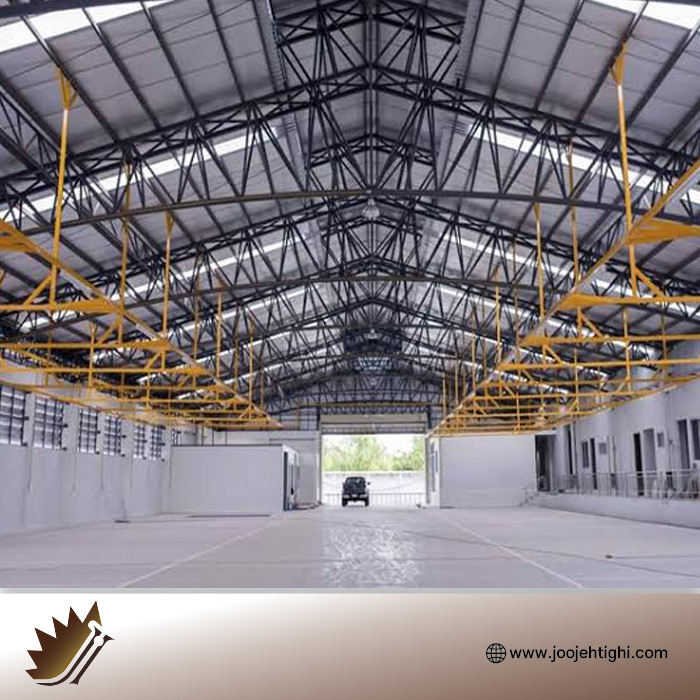
Furthermore, utilizing industrial shed construction and pre-engineered steel systems for warehouses, distribution centers, factories, workshops, and commercial buildings in Europe is an effective strategy for reducing project lead times and controlling costs. These systems are highly compatible with thermal insulation, fire protection coatings, sandwich panels, ventilation systems, and energy efficiency requirements.
Characteristics Defining Structural Quality
In the European market, steel structure quality is not judged by the mere appearance of components or the weight of steel consumed. True quality depends on a rigorous set of requirements for design, production, quality control, welding, coating, and installation.
During the design phase, dead and live loads, wind loads, snow loads, temperature effects, equipment loads, dynamic loads, and—in seismic zones—seismic loads must be analyzed in accordance with Eurocodes and the National Annex of the destination country. In Northern Europe, snow and ice loads carry higher significance, whereas, in coastal or industrial zones, the atmospheric corrosivity category must be accounted for in the selection of the protective system.
For projects situated in humid, coastal, or industrial environments, the application of an appropriate coating system compliant with project specifications and corrosion protection standards is mandatory. Surface preparation, cleanliness grade, primer type, layer thickness, drying time, and thickness control methods must be documented.
Some projects utilize hot-dip galvanizing, while others employ multi-layer paint systems or intumescent fireproofing. The selection depends on client requirements, expected service life, maintenance accessibility, and building usage.
Welding must be performed in compliance with the determined execution class. The utilization of qualified welders, approved welding procedures (WPS and WPQR), welding coordinators, and NDT are standard components of professional European quality control processes.
Material traceability is also vital. Steel melt numbers, mill certificates, steel grades, fastener specifications, and consumption records must be traceable within the project documentation. This allows the client to verify the connection between an installed component and its corresponding technical records at any stage.
Factors Affecting Final Project Costs
The cost of steel structure design and construction in European countries is not calculated based on a fixed rate. Structural weight is only one component; technical, legal, qualitative, logistical, and environmental factors significantly impact the final price.
Factors such as usage type, number of stories, spans, structural height, lateral load-resisting system, seismic conditions, snow and wind loads, steel grade, welding intensity, connection type, geometric complexity, and the required execution class are primary drivers of cost estimation.
Selecting an execution class from EXC1 to EXC4 directly affects the level of documentation, quality control rigor, personnel qualifications, welding requirements, inspection frequency, and production costs. An EXC3 or EXC4 structure requires significantly more control and documentation than a simple EXC1 or EXC2 project.
Costs related to CE Marking, Factory Production Control, third-party inspection, DoP issuance, NDT, weld testing, coating verification, and technical file compilation must be included in the project estimation.
Site conditions also impact pricing. Erection in a city center, an active industrial site, a mountainous region, or an area with heavy vehicle restrictions may require different equipment, permits, and planning. Crane costs, specialized logistics, heavy-load transport permits, packaging, insurance, and unloading must be evaluated separately.
Moreover, requirements related to carbon footprint reduction, use of recycled steel, waste management, environmental certification, and product information registration can affect supplier selection and final costs in European tenders and public projects.
In professional projects, separating the costs of design, modeling, material procurement, fabrication, welding, coating, quality control, documentation, packaging, logistics, installation, and final inspection provides the client with a more transparent budget overview.
Steel Structure Service Specifications Table
| Service Title | Technical Description |
|---|---|
| Structural Design | Load analysis and steel structural design based on Eurocode 3, EN 1990, EN 1991, and national requirements of the project location. |
| Shop Drawings | Preparation of precise fabrication and installation drawings, 3D modeling, cutting details, assembly, drilling, and connections. |
| Workshop Fabrication | Production of steel components with dimensional control, material traceability, weld verification, and compliance with EN 1090-2. |
| Welded/Bolted Connections | Implementation of welded or bolted connections based on approved drawings, project execution class, and approved procedures. |
| Protective Coating | Application of anti-corrosion systems, hot-dip galvanizing, industrial painting, or intumescent fireproofing appropriate for the environment and design life. |
| Logistics & Installation | Packaging, loading, transport to site, crane planning, component erection, and final connection verification. |
| Inspection & Control | Quality control of materials, dimensions, welds, fasteners, coatings, EN 1090 compliance, and preparation of technical project files. |
The Design-to-Installation Process
The standard process begins with gathering baseline project information. Usage type, project country and city, architectural drawings, site dimensions, number of stories, spans, structural height, soil conditions, facade type, and roofing system are analyzed at this stage.
Simultaneously, national regulations of the destination country, Eurocode National Annexes, fire safety requirements, building energy efficiency conditions, climatic loads, and the project’s consequence class are determined. Then, the execution class (EXC1–EXC4) is selected based on the project type and design specifications.
Following the establishment of design criteria, the structural analytical model is developed, and necessary loads are applied. Elements such as sections, connections, bracings, columns, beams, and stabilizing members are verified, and coordination between structure, architecture, and MEP (Mechanical, Electrical, Plumbing) is achieved via 3D modeling.
Once the design is finalized, execution drawings and shop drawings are prepared. These drawings provide the workshop with all necessary information regarding fabrication, welding, drilling, bolting, installation, tolerances, part numbering, and coating details.
During the fabrication phase, materials are procured based on approved technical specifications, and certificates regarding steel and consumables are registered. Cutting, assembly, welding, and drilling are performed under the Factory Production Control plan.
Post-fabrication, dimensional control, weld inspection, NDT (if required), bolt tightening verification, and coating checks are performed. For projects within the EU market scope, technical documents, the Declaration of Performance, and CE Marking documentation must be prepared according to the project’s scope and execution class.
Components are packed according to installation sequence mismatch, and execution delays by harmonizing design, fabrication, quality control, packaging, logistics, and installation, managing the project schedule weather conditions, and the project’s safety plan.
JOOJEH TIGHI can reduce the risk of rework, component mismatch, and execution delays by harmonizing design, fabrication, quality control, packaging, logistics, and installation, managing the project schedule more realistically.
How to Order Services for European Projects
Ordering steel structure fabrication services for European projects must begin with the provision of precise technical and operational information. Architectural drawings, project location, usage type, number of stories, spans, structural height, schedule, and required service level are the primary inputs required.
In these projects, the destination country is critically important because national regulations, National Annexes, permit acquisition processes, fire safety requirements, logistics constraints, and inspection procedures may vary significantly from one country to another.
The client must specify whether the project requires structural design only, or a full-scope service including design, modeling, shop drawings, fabrication, coating, CE Marking, packaging, logistics, and installation.
Agreement must be reached early regarding the execution class, steel specifications, welding requirements, coating system, third-party inspection needs, technical documentation, responsibility for crane procurement, and delivery methods.
For industrial or infrastructure projects, the client may also demand specific technical specifications, a list of required documents, an Inspection and Test Plan (ITP), or supplier qualification requirements. Reviewing these items prior to price submission prevents contractual disputes in later stages.
Production and Preparation Methods for Steel Components
Depending on the project type, steel components can be produced in semi-industrial workshops or equipped factories with production control systems. For projects produced for the European market, the level of automation, component traceability, and documentation system must align with project requirements.
Sheet and profile cutting, beam and column assembly, drilling, edge preparation, and welding must be performed according to approved drawings and procedures. Controlling tolerances at this stage is vital, as dimensional deviations can cause issues during installation regarding connections, facades, or mechanical equipment.
Part numbering, material certificate logging, packaging list preparation, and shipment organization based on installation sequence are considered part of professional production management for European projects. This ensures that components are identified and installed faster at the project site.
For welded connections, the use of qualified welders, WPS and WPQR, welding coordinators, and NDT corresponding to the EXC is mandatory. The extent of inspection depends on the project execution class, connection type, component importance, and client technical specifications.
For bolted connections, fastener type, strength class, tightening method, torque control, and installation sequence must be specified in the drawings and execution instructions.
Component protective coating is applied after surface preparation, tailored to the project environment. The coating system may include multi-layer industrial paint, hot-dip galvanizing, or fireproofing. Layer thickness and coating application quality must be verified and recorded in the technical file.
Logistics and Delivery to European Countries
Steel structure fabrication services can be provided from a production center to various European countries. The transport method is selected based on component weight and dimensions, destination distance, project schedule, and route restrictions.
For large components or heavy loads, dimensions, load height, individual component weight, truck type, transit route, heavy-load transport permits, city entry times, and unloading facilities must be reviewed prior to final production.
In international projects, component packaging must be resistant to humidity, precipitation, and transit damage. Packaging lists, part numbers, transport documents, insurance, material certificates, and technical documents must be consistent with the shipment.
For shipping to EU member countries, the contract type, country of origin, customs requirements, taxes, transport liability, delivery terms, and compliance documents must be defined from the outset. If structural components are offered in the EU market, CE Marking and Declaration of Performance requirements must also be addressed.
In European cities, heavy truck traffic restrictions, Low Emission Zones (LEZ), loading time restrictions, and site access conditions can affect logistics planning. Prior coordination with the general contractor and site manager reduces the likelihood of delivery and unloading delays.
Countries and Cities with High Demand
Demand for steel structure fabrication exists across various European countries, but more active markets are typically located in regions with manufacturing industries, ports, logistics hubs, energy projects, commercial buildings, and transport infrastructure.
In Germany, cities such as Berlin, Hamburg, Munich, Frankfurt, and Stuttgart have significant markets for industrial, commercial, warehousing, and infrastructure projects. Germany is also considered a sensitive market for steel structure suppliers due to its high level of quality control and documentation requirements.
In the Netherlands, Amsterdam and Rotterdam have seen increased demand for steel structures due to port projects, logistics centers, industrial facilities, and technology hubs. The country’s coastal regions require designs robust against humidity and corrosion.
France, Belgium, Austria, and Switzerland also utilize steel structures for industrial projects, distribution centers, exhibition halls, parking facilities, and commercial buildings. In Northern European countries such as Sweden, Norway, Finland, and Denmark, snow, ice, wind loads, and freeze-thaw cycles must be considered in design and coating system selection.
In Italy, Spain, Portugal, and Greece, beyond industrial and commercial projects, seismic requirements, summer heat, solar radiation, and coastal conditions carry additional importance in certain regions.
In Central and Eastern Europe, including Poland, the Czech Republic, Slovakia, Hungary, and Romania, the development of logistics hubs, factories, and large warehouses has driven the growth of the steel construction market. In all these countries, final design must comply with national regulations, local permits, and client requirements.
Market and Local Suppliers in European Countries
The European market for steel structures relies on a network of design firms, steel producers, fabricators, industrial coating companies, independent inspectors, installation contractors, and specialized logistics providers.
However, a steel supplier does not necessarily possess the capability to execute a full structural project. The client must evaluate whether the chosen group has the capacity to prepare execution drawings, manage Factory Production Control, ensure material traceability, implement welding requirements, generate CE documentation, handle export packaging, and coordinate installation.
In European projects, the quality of documentation is as important as the physical quality of components. Material certificates, inspection reports, welding records, NDT reports, coating control results, parts lists, and performance documents must be available upon delivery.
Collaborating with a group that integrates the design-to-installation process reduces error risks between disparate contractors. This integration is particularly crucial in projects where the client is located in a country other than the production site.
From a labor market perspective, this field has created extensive opportunities for structural engineers, BIM modelers, shop drawing designers, welding specialists, quality control inspectors, industrial coating experts, production managers, installation teams, and specialized logistics companies.
Key Points Before Requesting a Detailed Quote
If you intend to obtain a realistic estimate for a project in Europe, the following information should be determined from the outset:
Project country and city;
Building usage type;
Total project area and dimensions;
Number of stories or hall height;
Structural spans and column grid;
Lateral load-resisting system;
Snow, wind, seismic, and other design loads;
Soil conditions and foundation status;
Roof, facade, and cladding type;
Steel grade and fastener specifications;
Required execution class (EXC1 to EXC4);
Welding and inspection requirements;
Need for CE Marking and Declaration of Performance;
Anti-corrosion or fireproofing system;
Need for hot-dip galvanizing or industrial paint;
Logistics method and delivery terms;
Truck and crane access restrictions;
Requirement for installation by the execution team;
Client safety, quality, and documentation requirements;
Expected delivery and commissioning timeline.
In many cases, the client seeks only the price per ton of steel; however, in European projects, the cost of design, quality control, compliance documentation, inspection, coating, logistics, and installation can constitute a significant portion of the budget.
For this reason, providing a quote without evaluating the project site, execution level, technical documentation, logistics conditions, and destination country requirements can lead to inaccurate estimates. The final price must be provided following the review of drawings, technical specifications, and the exact scope of services.
Consultation and Inquiries at JOOJEH TIGHI
If you are in the preliminary review stage and are still uncertain whether a bolted or welded structure is more suitable for your project, which execution class should be selected, or which coating system offers greater durability for your project environment, obtaining technical advice before signing a contract is of great importance.
At JOOJEH TIGHI Company, it is possible to review project documents, analyze technical needs, prepare initial estimates, and receive consultation for design, fabrication, coating, logistics, and installation services for steel structures.
During the review process, the destination country, national regulations, Eurocode requirements, project execution class, usage type, climatic conditions, steel grade, coating system, logistics method, and installation schedule are taken into account.
If required, the scope of services can be extended from preparing designs and shop drawings to factory fabrication, quality control, documentation preparation, export packaging, logistics, and on-site installation coordination.
This process helps the client gain a more accurate picture of the real costs, scheduling, required documentation, party responsibilities, and delivery requirements before operational activities begin, ensuring decisions are not based solely on the raw steel price.
Technical Summary for Intelligent Selection
Selecting an appropriate executor for steel structure construction in European countries must be based on design capability according to Eurocode 3, experience in executing EN 1090, level of Factory Production Control, welding quality, ability to provide compliance documentation, and the capacity to manage logistics and installation.
In the European market, safety, traceability, durability, fabrication precision, sustainability, and documentation transparency are as important as price. A suitable structure must be harmonized from the design phase with the climatic conditions, National Annexes of the destination country, usage type, consequence class, project execution class, and operational requirements.
For projects where components are supplied for the EU market, addressing CE Marking, Declaration of Performance, Factory Production Control, and EN 1090 execution standards is mandatory. Furthermore, the quality of anti-corrosion coating, weld control, the use of certified materials, and the preparation of a complete technical file play a significant role in project acceptance.
Cost estimation will only be valid when design, modeling, steel procurement, fabrication, welding, coating, quality control, technical documentation, packaging, logistics, and installation are evaluated as a complete chain. If you are seeking a safe, precise, traceable steel structure compliant with European market requirements, it is best to place your project documents in the hands of a team capable of providing technical and operational solutions tailored to the destination country before taking any action.
Are steel structures suitable for all building projects in European countries?
No. The choice of structural system depends on usage type, number of stories, spans, architecture, soil conditions, snow and wind loads, seismic risk, fire safety requirements, budget, and execution time. Steel structures are a suitable option for many industrial, commercial, warehouse, logistics center, and infrastructure projects, but the final decision must be made based on engineering design.
What role does Eurocode 3 play in steel structure design?
Eurocode 3 (EN 1993) specifies the set of requirements for the design and calculation of steel structures in Europe. This standard, alongside EN 1990, EN 1991, and the national regulations of the destination country, is used to verify resistance, stability, buckling, connections, and structural performance.
What is the application of the EN 1090 standard in steel structure fabrication?
EN 1090 covers requirements related to the execution of steel and aluminum structures. Cutting, assembly, welding, bolting, coating, quality control, installation, and documentation are important topics covered by this standard.
What do execution classes EXC1 to EXC4 mean?
They define the requirements for structural components. EXC1 is for simple and low-risk structures; EXC2 is for most regular buildings; EXC3 is for more important structures or those with dynamic loads; and EXC4 is intended for highly sensitive structures with high failure consequences.
Is obtaining CE Marking necessary for steel structure components?
If structural components fall under EU market regulations, CE Marking requirements and associated documents must be reviewed and complied with. This process involves conformity assessment, preparing a Declaration of Performance, and providing product performance information.
How is the final cost of these services calculated?
The cost depends on structural weight and geometry, section type, steel grade, EXC execution level, connection complexity, welding volume, coating type, quality control, CE Marking, logistics, insurance, installation, and site conditions. Therefore, the exact price is provided after reviewing drawings and the destination country’s requirements.
Is it possible to receive services for design only?
Yes. Services can be provided independently or in combination. The client can order structural design and shop drawings only, or receive full services including fabrication, coating, quality control, documentation, logistics, and installation.
What is the lead time for steel structure fabrication and installation?
The lead time depends on project dimensions, component volume, required execution level, foundation status, production capacity, steel procurement time, quality control process, destination distance, and logistics/installation conditions. A more precise schedule can be provided after reviewing technical documents.
What information is needed to receive a pro forma invoice?
Architectural drawings, project location, usage type, area, number of stories, span dimensions, structural height, soil conditions, design loads, coating type, required execution level, logistics method, and expected delivery time are the primary inputs for preparing a pro forma invoice.
Is it possible to ship steel structure components to European countries?
Yes. Depending on the destination country, component dimensions, shipment weight, logistics conditions, customs documents, and technical requirements, it is possible to plan for shipment via road or multimodal transport. For projects subject to EU regulations, compliance documents and CE requirements must also be reviewed prior to shipment.
For specialized guidance and selecting the best design and execution method for steel structures in European projects, you can contact the experts at JOOJEH TIGHI Company and provide the drawings, technical specifications, destination country, and project schedule to the consulting team for a thorough review.
Reviews (0)
Be the first to review “Industrial Steel Structure Design and Fabrication” Cancel reply
Categories: Construction, Metal Skeleton
Product tags








Sign in
No account yet?
Create an Account
Reviews
There are no reviews yet.